Marketing Automation: The Secret to Smarter Customer Engagement
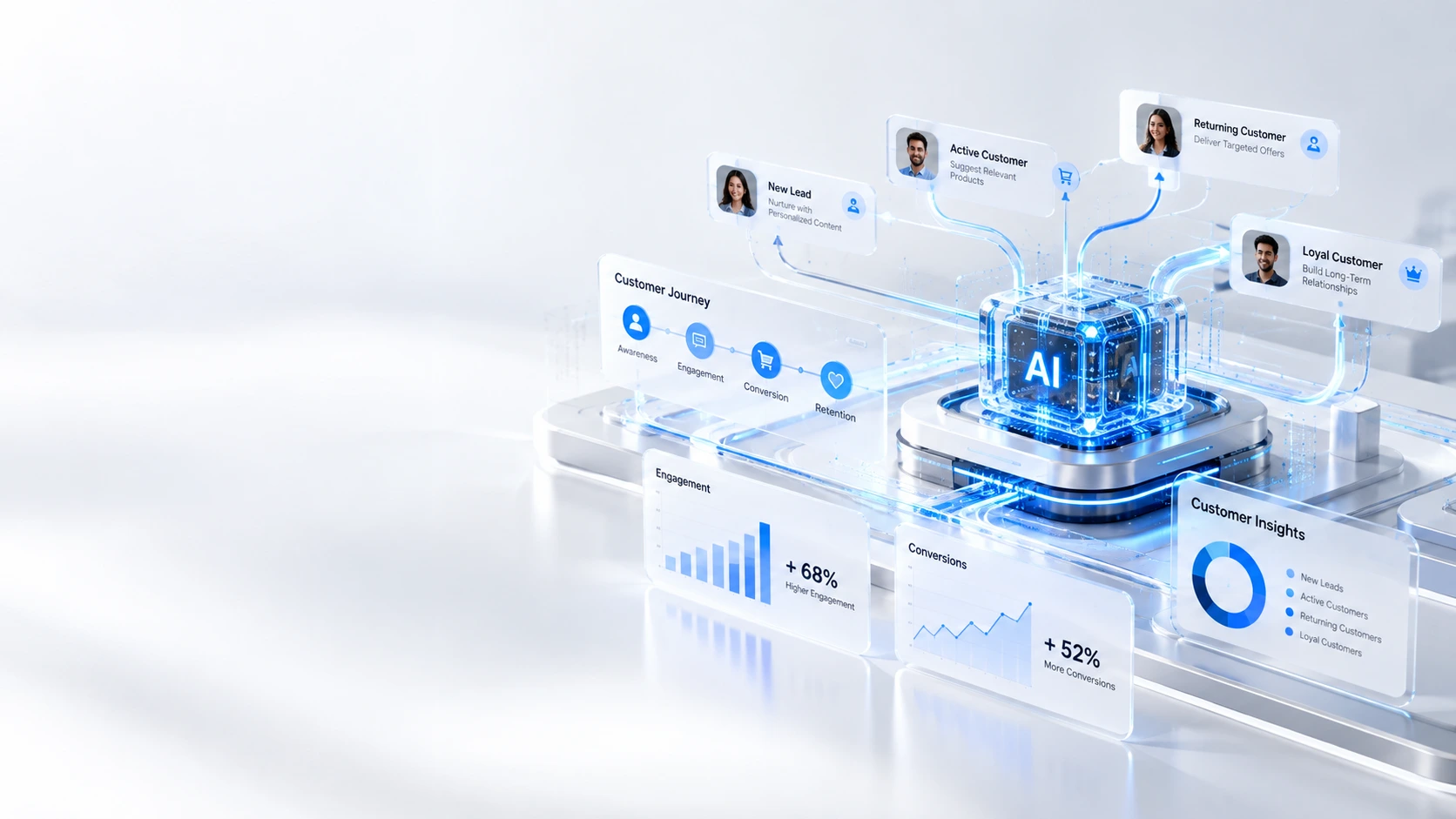
A customer downloads a guide today, opens an email tomorrow, visits a product page three days later, and then disappears. If every interaction is handled manually, your team has to remember what happened, when it happened, and what should happen next. That is where marketing automation becomes useful.
Marketing automation connects customer actions with timely communication, so people receive messages based on what they actually do rather than receiving the same email as everyone else. Done properly, it can make customer engagement more relevant while giving marketing teams fewer repetitive tasks to manage.
What Marketing Automation Actually Does
At a basic level, marketing automation uses customer data and predefined triggers to send the right communication after a specific action.
For example, someone who signs up for a newsletter might receive a welcome email. If they click through to a product page, the next message can reflect that interest. If they make a purchase, the communication can shift toward onboarding, product education, or retention.
This is where CRM automation, email marketing automation, and customer journey automation start working together. Instead of treating every contact the same way, businesses can respond to where each person is in the buying process.
Why Customer Engagement Improves
Timing matters more than sending more messages. A useful automated email can arrive when a customer has already shown interest. A poorly timed one can feel like noise. Marketing automation gives teams a way to build those timing decisions into the customer journey.
It can also support lead nurturing. Someone who is not ready to buy today does not have to disappear from your pipeline. They can receive relevant content over time, while your sales team can focus on leads showing stronger buying signals. The quality of your customer data still matters, though. Automation cannot fix incomplete tracking, outdated contact information, or poorly defined customer segments. The system can only act on the information it receives.
Where Automation Fits Into Your Marketing Strategy
Marketing automation works best when it is connected to the rest of your marketing system. Your paid campaigns, website activity, CRM, email campaigns, and conversion data should tell a consistent story. That makes it easier to see what happens after someone clicks an ad or fills out a form. It also gives you better information for improving campaigns and customer retention. For businesses already investing in performance marketing, connecting automation with conversion tracking and customer data can turn isolated interactions into a more connected customer journey.
Final Thoughts
Good marketing automation should make communication feel more timely, not more automated. The goal is not to send more emails. It is to use customer behaviour to decide what communication makes sense next. Start with a few important customer journeys, clean up the data behind them, and measure what happens after each interaction. That gives you a much stronger foundation for smarter customer engagement.
Frequently Asked Questions
Marketing automation uses software, customer data, and triggers to manage recurring marketing communications based on customer actions.
It helps businesses send more relevant messages based on customer behaviour, interests, and position in the buying journey.
No. It can support lead nurturing, CRM workflows, customer segmentation, campaign follow ups, and other parts of the customer journey.
Yes. A small business can start with simple workflows such as welcome emails, lead follow ups, abandoned enquiry reminders, or post purchase communication.