How Predictive Analytics Improves Performance in PCM
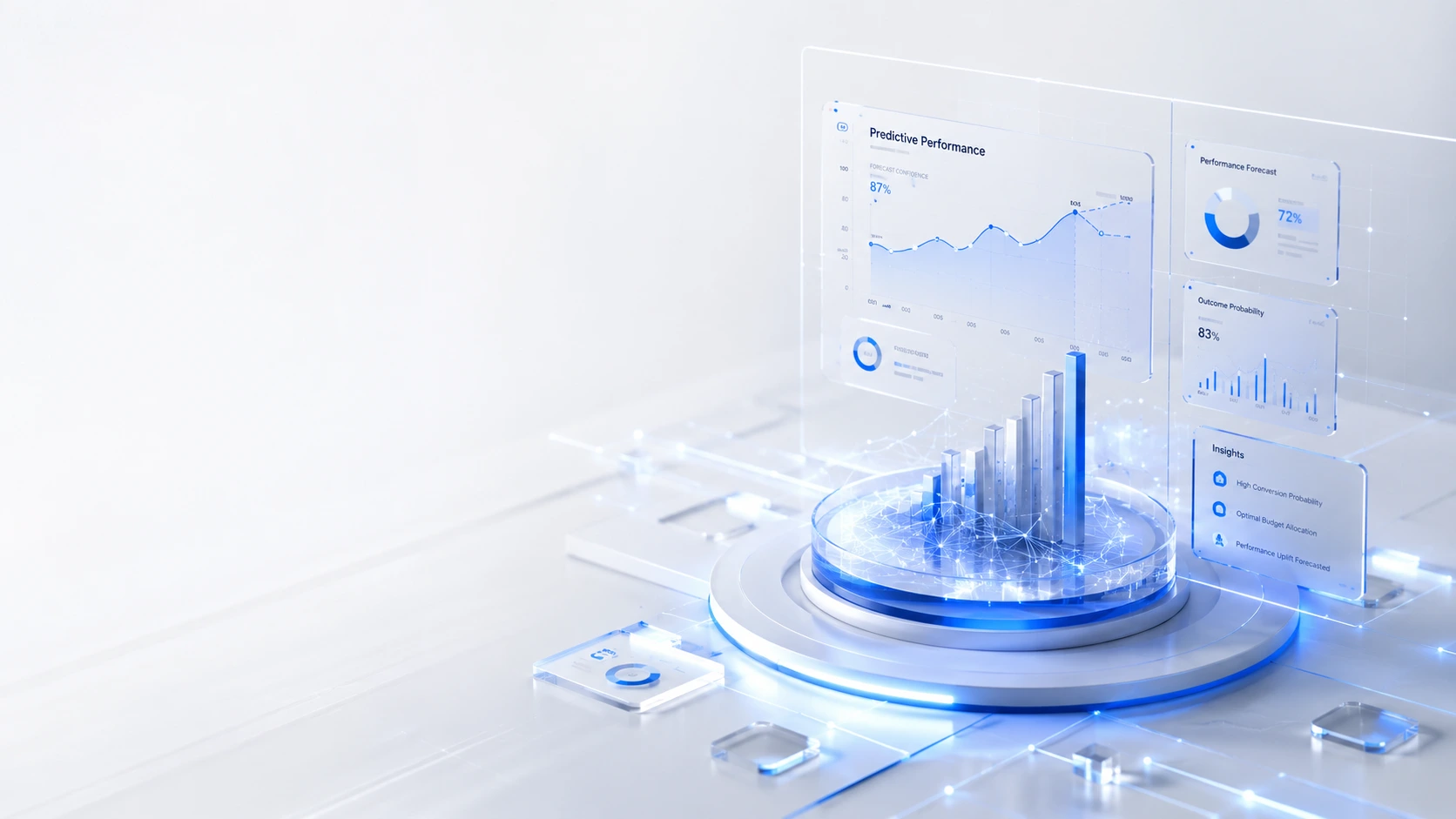
Every marketer has faced the same challenge: spending money on campaigns without knowing which customers are most likely to convert. Traditional analytics explains what happened. Predictive analytics helps businesses understand what is likely to happen next. By combining artificial intelligence, machine learning, and customer data, predictive analytics enables organizations to anticipate customer behavior, improve targeting, and allocate budgets more effectively. As competition increases across digital channels, businesses that leverage predictive analytics gain a significant advantage by making proactive instead of reactive marketing decisions.
What Is Predictive Analytics in Digital Marketing?
Predictive analytics is the process of using historical data, AI algorithms, and statistical models to forecast future customer actions.
Instead of relying on assumptions, marketers use predictive models to answer questions like:
● Which leads are most likely to convert?
● Which customers may stop buying?
● Which products should be recommended?
● What campaign will generate the highest ROI?
● Which audience segments deserve more budget?
This approach transforms raw marketing data into strategic business intelligence.
Why Predictive Analytics Matters
Predictive analytics in digital marketing helps businesses make smarter, data driven decisions by using artificial intelligence and historical customer data to forecast future behavior. As consumers engage with brands across websites, social media, email, search engines, and mobile apps, understanding these interactions manually becomes increasingly difficult. Predictive marketing
enables companies to identify trends, anticipate customer needs, and optimize campaigns before valuable opportunities are lost.
Businesses that leverage predictive analytics can gain several competitive advantages, including:
● Improve Lead Generation: AI identifies high value prospects, helping sales and marketing teams focus on leads most likely to convert.
● Increase Customer Retention: Predictive analytics spots early churn risks, allowing businesses to launch targeted retention campaigns.
● Optimize Paid Advertising: It improves ad targeting, reduces wasted spend, and boosts ROI by analyzing audience behavior.
● Enhance Email Marketing: AI delivers personalized content and offers that increase customer engagement.
● Support Revenue Forecasting: Predictive models estimate sales trends and customer lifetime value for smarter planning.
● Maximize Marketing Budget Allocation: Advanced analytics identifies top-performing channels and campaigns for better investment decisions. Businesses using AI-driven predictive analytics often achieve stronger campaign performance, higher conversions, and more efficient marketing spending, making it a key strategy for long-term growth.
How Predictive Analytics Works in Digital Marketing
Predictive analytics in digital marketing combines artificial intelligence (AI), machine learning, and historical customer data to forecast future behaviors and improve marketing performance. By analyzing patterns across multiple channels, businesses can make data driven decisions that increase conversions, reduce customer acquisition costs, and maximize ROI.
Step 1: Collect Customer Data
The foundation of predictive marketing is high quality data. Businesses gather first party and behavioral data from multiple sources, including:
● CRM platforms
● Website analytics
● Social media engagement
● Email marketing campaigns
● Purchase history
● Customer support interactions
● Mobile app activity
● Paid advertising platforms
The more accurate and comprehensive the data, the more reliable the predictive analytics models become.
Step 2: Build Predictive Models
Using AI and machine learning algorithms, predictive models analyze historical data to uncover trends and relationships between customer actions and future outcomes. These models help marketers identify high-value audiences and anticipate buying behavior.
Step 3: Generate Actionable Insights
Predictive customer analytics provides valuable forecasts that help businesses optimize their marketing strategies, including:
● Purchase probability
● Customer churn likelihood
● Customer lifetime value (CLV)
● Best-performing marketing channels
● Product and content recommendations
● Lead scoring and sales forecasting
These insights enable marketers to deliver personalized experiences that improve engagement and conversion rates.
Step 4: Optimize Marketing Campaigns
With predictive insights, marketing teams can continuously refine campaigns in real time. Businesses can allocate budgets more effectively, target the right audiences, personalize messaging, and improve overall campaign performance, leading to stronger ROI and sustainable business growth.
Real World Applications of Predictive Analytics in Digital Marketing
Predictive Lead Scoring
Instead of treating every lead equally, AI-powered predictive lead scoring ranks prospects based on their likelihood to convert. By analyzing customer data and behavioral patterns, businesses can prioritize high value leads and improve sales efficiency.
Result: Sales teams focus on opportunities most likely to generate revenue and increase conversion rates.
Customer Retention
Predictive customer analytics helps identify early warning signs that indicate a customer may stop engaging with a brand. By using AI-driven insights, businesses can launch targeted retention campaigns before customer churn occurs.
Personalized Marketing
AI and predictive analytics recommend products, services, and content based on anticipated customer preferences and past behavior. This level of personalization creates more relevant customer experiences, increases engagement, and strengthens brand loyalty.
Advertising Optimization
Predictive analytics in digital marketing identifies the audiences most likely to respond to paid advertising campaigns. By optimizing targeting and budget allocation, businesses can improve return on ad spend (ROAS) and maximize overall marketing ROI.
A Simple Framework for Predictive Marketing Success
Businesses that see the greatest return from predictive analytics in digital marketing follow a structured process that combines data, AI, and ongoing optimization. A proven framework helps marketing teams turn insights into measurable business growth.
The PREDICT Growth Framework
P — Prioritize High-Quality Data
Build a strong first-party data foundation by connecting CRM systems, website analytics, advertising platforms, and customer interactions. Accurate data is the backbone of effective predictive marketing.
R — Recognize Customer Patterns
Analyze user behavior across search, social media, email, and paid campaigns to uncover trends that influence buying decisions and customer retention.
E — Enhance Forecasting with AI
Leverage AI-powered predictive models to estimate conversion probability, customer lifetime value, and future demand. This allows businesses to make smarter marketing investments.
D — Deliver Personalized Experiences
Use predictive audience segmentation to create targeted campaigns that match customer interests, improving engagement and conversion rates across digital channels.
I — Improve Through Continuous Optimization
Monitor campaign performance, run A/B tests, and refine strategies based on real time insights. Predictive analytics works best when marketing efforts evolve with customer behavior.
C — Connect Marketing to Revenue
Measure the impact of predictive marketing by tracking key business metrics and understanding which channels generate the highest return on investment.
T — Transform Growth Strategies
Scale successful campaigns and integrate predictive insights into long term digital marketing planning to create sustainable competitive advantages.
Marketing is no longer about reacting to yesterday’s data it’s about using predictive analytics in digital marketing to stay ahead of customer trends, optimize campaigns, and make data driven investment decisions. Businesses that combine AI-powered marketing insights with strategic SEO, paid advertising, conversion rate optimization, and advanced analytics are better positioned to
attract qualified leads and increase long term revenue.
As artificial intelligence continues to transform the marketing landscape, predictive marketing and customer behavior forecasting are becoming essential tools for sustainable business growth. Companies that integrate these strategies into their digital marketing efforts can improve targeting, reduce wasted ad spend, and maximize marketing ROI. If you’re looking to turn data into measurable business results, businesses that adopt predictive analytics and AI-driven digital marketing strategies are often
better positioned to improve customer targeting, optimize marketing spend, and increase conversion rates. By combining data-backed insights with conversion-focused campaigns, organizations can build scalable growth strategies that adapt to changing customer behavior and market trends. Understanding how predictive analytics supports lead generation, customer retention, and
marketing performance can provide a significant competitive advantage in today’s digital landscape.
Frequently Asked Questions
It uses AI and historical data to forecast customer behavior and improve
marketing decisions.
It helps businesses target the right audiences and reduce wasted advertising
spend.
Yes. Many modern marketing platforms offer AI-powered predictive capabilities
for businesses of all sizes.
E-commerce, SaaS, healthcare, finance, real estate, and B2B organizations
commonly use predictive marketing.
No. AI powers predictive analytics, but predictive analytics is a specific
application focused on forecasting outcomes.