What Does a Performance Marketing Agency Actually Do?
A performance marketing agency is hired for a fairly simple reason: a business wants to know what its marketing is producing.
Instead of treating advertising as a branding exercise alone, performance marketing connects campaigns to measurable actions such as website visits, leads, sales, app installs, or customer acquisitions. The agency looks at the numbers behind those actions and uses them to decide what should change next. That sounds straightforward. The work behind it is not.
What does a performance marketing agency actually do?
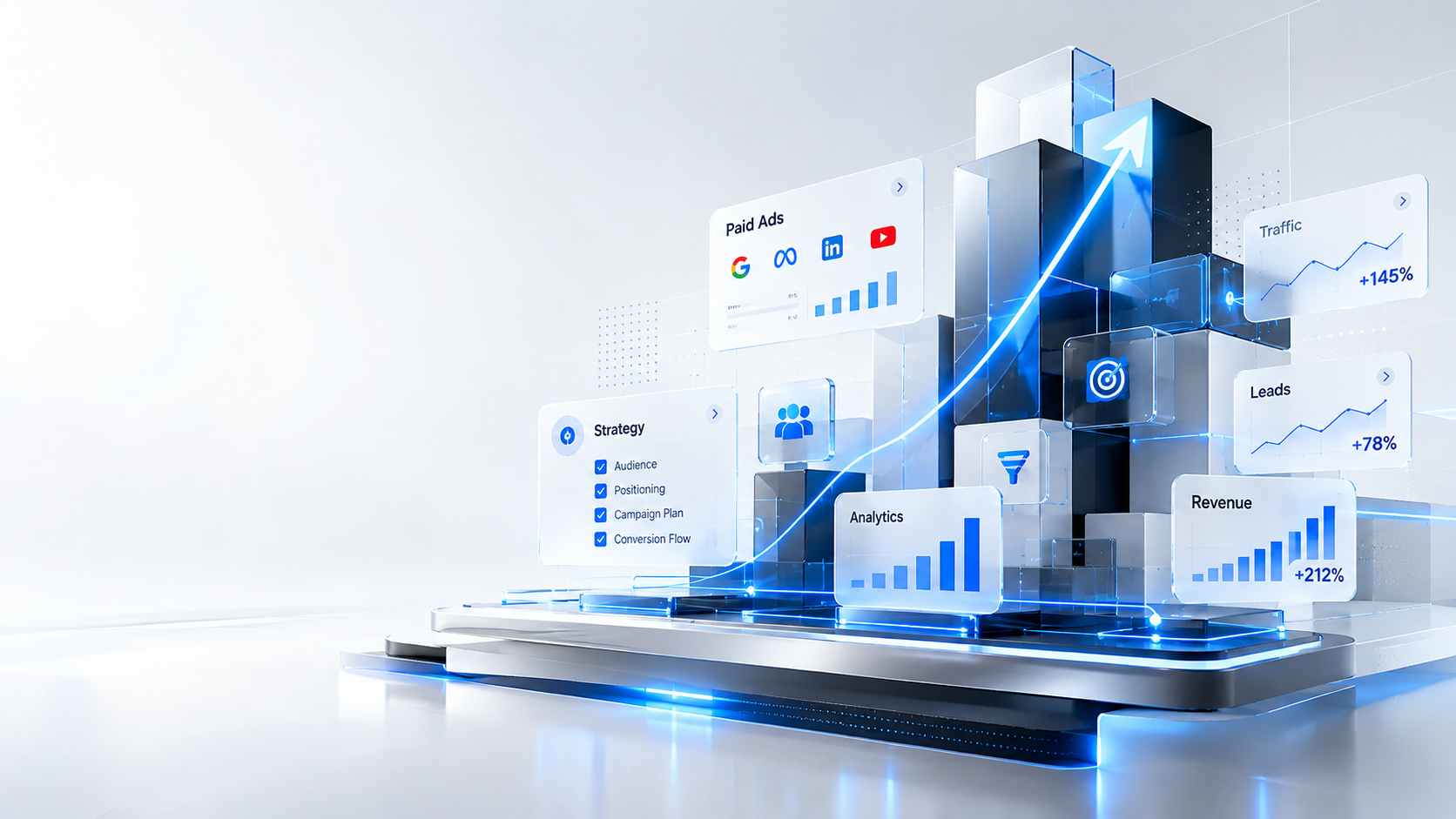
A performance marketing agency manages campaigns across channels such as Google Ads, Meta Ads, and other paid media platforms. But launching advertisements is only one part of the job.
A good team starts by understanding the offer, target customer, sales process, and numbers that matter to the business. From there, it can build a performance marketing strategy around the actual buying process rather than simply chasing clicks.
Campaign setup comes next. This can include audience research, ad creation, landing page recommendations, conversion tracking, budget allocation, and channel selection. Once campaigns are running, the work becomes much more analytical.
An agency may find that one advertisement brings plenty of traffic but very few enquiries. Another may cost more per click but generate far more valuable customers. Those differences matter.
Where conversion rate optimisation fits in
Paid traffic cannot fix a website that loses people after they arrive.
This is where conversion rate optimisation becomes part of performance marketing. The agency may examine landing pages, forms, calls to action, page speed, messaging, or the steps between the first click and the final conversion.
The goal is to find where potential customers drop off and test practical changes.
For example, reducing unnecessary form fields may increase completed enquiries. Changing the headline may improve the number of visitors who continue reading. These small changes can affect the economics of an entire advertising campaign.
How performance marketing is measured
Performance marketing relies heavily on measurable data. Depending on the business, an agency may track cost per lead, customer acquisition cost, conversion rate, return on ad spend, revenue, or lifetime customer value. The important part is connecting those numbers. A campaign with a low cost per lead is not automatically successful if those leads rarely become customers. Likewise, a campaign with a higher acquisition cost can make sense when the customers it brings generate greater revenue over time. That is why performance marketing services usually involve ongoing testing and adjustment rather than a campaign that is launched and left alone.
When does a business need one?
Businesses usually start looking for a performance marketing agency when they have traffic or advertising spend but cannot clearly explain what is working. The agency’s job is to connect marketing activity with business results. That means better tracking, clearer campaign decisions, tighter testing, and a closer look at what happens after someone clicks an ad. For businesses evaluating their digital marketing, the useful question is not simply how many people saw an advertisement. It is what happened after they saw it.
Final Thoughts
A performance marketing agency works around measurable business outcomes. Advertising, analytics, landing pages, testing, and conversion rate optimisation are pieces of the same process. The real value comes from connecting those pieces. When campaign data is tied to actual customer behaviour and revenue, marketing decisions become easier to assess and improve.
Frequently Asked Questions
A performance marketing agency manages digital marketing campaigns focused on measurable results such as leads, sales, conversions, and customer acquisition.
Performance marketing services can include paid advertising, paid media management, conversion tracking, landing page testing, campaign optimisation, audience research, and conversion rate optimisation.
Performance marketing emphasises measurable actions and campaign data. Businesses can track what happens after people interact with an advertisement and use that information to make further decisions.